
AI and Accounting: What Happens When the Data Is Wrong
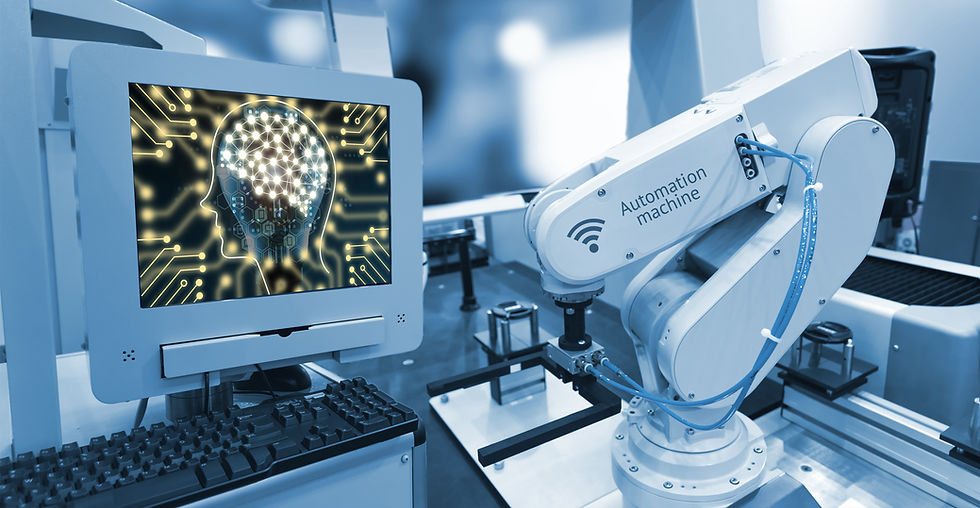
Artificial intelligence is now embedded in nearly every major accounting platform from QuickBooks to Xero and others. It promises faster categorization, smarter forecasts, and real-time tax estimates.
Used well, it can be a meaningful advantage for small business owners.
But there is a foundational truth that cannot be overlooked:
AI does not fix your books. It analyzes them. And it does not replace human judgment; it depends on it.
If the underlying data is wrong, the output will be wrong. And without human review and discernment, those errors often go unnoticed.
AI Is Only as Good as Your Data and Your Oversight
AI tools are designed to recognize patterns, not verify accuracy or intent.
They assume:
Your transactions are complete
Your accounts are reconciled
Your categorizations reflect reality
Your financials are current
What they do not do:
Question whether a transaction makes sense
Understand the context behind your business decisions
Apply tax strategy or compliance standards
Exercise judgment when something looks “off”
That is where human intelligence remains essential.
AI can process data quickly. Only people can interpret it wisely.
Where Things Commonly Go Wrong
Most accounting issues are not dramatic. They are small inconsistencies that compound over time, especially when no one is actively reviewing the outputs.
1. Misclassified Expenses
AI may suggest categories based on past patterns, but it does not understand nuance.
A software subscription could be marketing, operations, or cost of goods
A travel expense may or may not be deductible depending on context
Without human review, these misclassifications distort profitability and tax positioning.
2. Unreconciled Accounts
Reconciliation is not automated away by AI.
If accounts are not reconciled:
Cash balances become unreliable
Missing or duplicate transactions go undetected
Reports lose credibility
AI assumes your balances are correct. It does not confirm them.
3. Over Reliance on Bank Feeds
Automation makes importing transactions easy, but it can create a false sense of completeness.
Bank feeds can:
Miss transactions
Duplicate entries
Misapply categories
Without consistent review, errors accumulate quietly.
4. Mixing Personal and Business Activity
AI cannot distinguish intent or appropriateness.
If personal expenses run through business accounts:
Margins are distorted
Tax exposure increases
Financial clarity declines
Only a person can draw that line correctly.
5. Outdated Books
AI-driven dashboards often give the impression of real-time insight.
But if your books are not current:
Forecasts are built on incomplete data
Decisions are made on an outdated picture
Timeliness still requires discipline.
The Hidden Risk: Confidence Without Accuracy
One of the more subtle risks of AI in accounting is not just error, it is overconfidence.
When reports look polished and insights feel sophisticated, it is easy to trust them.
But if no one is:
Reviewing the inputs
Questioning the outputs
Applying experience and judgment
You may be making decisions based on numbers that are directionally wrong.
This can lead to:
Incorrect tax estimates
Cash flow surprises
Misguided investments or cost decisions
AI can accelerate insight. It can also accelerate mistakes if left unchecked.
The Right Way to Use AI in Your Accounting
AI should not replace human involvement. It should enhance it.
Here is the right approach:
1. Start with Clean, Accurate Books
Before relying on AI:
Reconcile all accounts monthly
Review and correct categorizations
Ensure all transactions are captured
Separate personal and business activity
This is not optional. It is foundational.
2. Keep Human Review at the Center
Every AI-generated suggestion should be reviewed.
Ask:
Does this reflect how my business actually operates?
Does this classification make sense for tax purposes?
Is there context the system would not understand?
Discernment is where value is created.
3. Use AI for Insight, Not Authority
AI is a tool—not a decision-maker.
Use it to:
Identify trends
Surface anomalies
Support forecasting
But final decisions should always involve human evaluation.
4. Maintain Consistent Financial Discipline
Even with advanced tools:
Review bank feeds regularly
Close your books monthly
Compare results across periods
Technology does not replace process. It depends on it.
5. Align Financials with Business Reality
AI cannot interpret your strategy, priorities, or long-term goals.
Ensure your financials reflect:
How you generate revenue
Where you are investing
What success looks like for your business
This alignment requires human insight.
The Real Equation
At its core, the relationship between AI and accounting is simple:
Clean books + AI + human judgment = clarity and confidence
Messy books + AI without oversight = risk and potential error
AI is powerful. It is not a substitute for experience, review, or discernment.
A Practical Next Step
If you are using AI-enabled accounting tools today, take a moment to evaluate your process:
Are your accounts fully reconciled?
Are your numbers being reviewed regularly?
Are you applying judgment before acting on insights?
If any of these are missing, that is where your focus should begin.
Final Thought
AI is reshaping how small businesses manage their finances. It is faster and more accessible than ever before.
But it does not replace the role of a thoughtful business owner or a skilled advisor.
Clarity in your financials still comes from a combination of accurate data, consistent discipline, and informed human judgment.
At Brilliant Solutions Group, the focus is straightforward: ensure your numbers are right and the insights you rely on are grounded inaccuracy and experience.


soicauxsmb24.com tối qua mình mở lên xem lướt một vòng cho đỡ buồn tay, vào phát là thấy họ chia nội dung theo ngày khá gọn; mục soi cầu MB ngày 3 9 2026 đặt ngay phần trên nên kéo nhẹ là đọc được, chữ nghĩa cũng dễ theo. Mình để ý cách họ trình bày kiểu các đoạn dự đoán được tách thành từng khối riêng, nhìn lướt là biết đoạn nào nói về thống kê kết quả quay trước, đoạn nào là gợi ý cặp số cho hôm nay; mấy tiêu đề đặt thẳng, không làm màu nên đọc nhanh vẫn hiểu. Lúc đổi qua lại giữa các phần cũng mượt, không phải mò mẫm nhiều; cái mình…
Mình có thói quen xem mấy bài soi cầu miền Bắc hằng ngày để nắm tình hình trước giờ quay, coi như thêm một nguồn tham khảo chứ không đặt niềm tin tuyệt đối. Lúc rảnh mình hay ghé soi cau xsmb rồi so sánh với vài bảng dự đoán xsmb khác, kèm thống kê lô gan với lô xiên để xem gần đây có cặp nào hay quay lại không. Trong nhóm mình cũng có người thích quay thử XSMB, Rồng Bạch Kim, rồi lục dữ liệu lịch sử để nhìn tần suất thực tế cho dễ bắt nhịp. Theo mình, dự đoán xổ số miền Bắc ngoài may mắn thì cũng nên ghép cầu bạch thủ với dàn…